


Quick note: You’re receiving this because you subscribed to Wojtek’s or Piotr’s newsletter. We’re merging newsletters and joining forces to launch Superhero.tech - a shared project about building products in the AI era.
Something’s shifting. Articles about new AI tools flood your feed weekly. Your developers are coding in English more than the actual code. Every meeting circles back to AI. The ground is moving.
AI lets you code 10x faster. But most products built with AI? Still shit.
Why? Because AI doesn’t teach you what to build. Only how to build faster. Coding faster is just one piece of the puzzle. Maybe not even the most important one.
The tech industry is changing. There are new tools, new processes, and new ways of thinking. There’s a formula emerging from the chaos. And a new role sitting at the center of it.
The Superheroes Who Taught Us
Everyone has a favorite superhero. Turns out we have the same one. It’s Batman - because he showed up without having supernatural powers (besides cool gadgets). He had a formula.

But the superheroes can be real. You’ve seen them - the coworker who turns chaos into customer love, the manager who ships impossible things. They have a formula too.
Piotr: The first superhero I met wasn’t fictional. His name was Jan. He was my manager. Whatever product that guy touched turned into customer love.
Watching him work was like watching someone play a different game than everyone else. Same company, same team, same people to deal with. Completely different outcomes.
He knew how to pick the right problems, ship fast, leverage technology to gain an edge, and work effectively with both technical and non-technical people. His formula created repeatable product success.
Wojtek: For me, my own Batcave was DocPlanner. Being part of a rag-tag crew of early employees who scaled a 25-person, garage-style operation into an international business with offices in Warsaw, Rome, Istanbul, and Barcelona was a defining experience.
Back then, we had no idea what we were doing. Everything we touched was new to us. There was no formula to lean on. We had to figure it out ourselves, through trial and error. But we did it.
What sets people like Jan and the early DocPlanner team apart from everyone else doing the same job?
Not talent. Not luck. A repeatable system.
Best vs Rest
What separates the best companies from the rest of the companies? We call it the Superhero Formula. When applied you can see the clear differences when it comes to the way they operate:
They solve different problems. Most teams pick problems their executives care about. Great product people pick problems that unlock 10x more value when solved.
They validate differently. Most teams ask customers what they want. Great product people watch what customers actually do. There’s a massive gap between the two.
They ship without the bullshit. Most teams drown in process - roadmaps that change weekly, stakeholder reviews that kill momentum. Great product people know which corners to cut and when.
They work with humans, not org charts. Most people struggle with “difficult” team members or “unreasonable” stakeholders. Great product people understand how different minds work and leverage that instead of fighting it.
They build cultures that build great products. Most teams depend on a few strong individuals to keep the bar high. Great product people create environments where high standards, ownership, and pace are shared by everyone.
They use AI without becoming lazy. Most people use AI to generate more slop, faster. Great product people use AI to learn faster and eliminate repetitive work - while keeping their judgment sharp.
The formula works because it’s not about doing more. It’s about doing things differently.
And here’s what separates good from great: knowing when to break the formula. Once you understand the system, you learn which rules to bend, which corners to cut, and how to be less predictable than your competition.
This formula matters more now than ever. Here’s why:
AI made a promise it only half-delivered
AI was supposed to make building 10x faster. And it did. Sort of.
Your engineer writes code quicker. Your designer iterates on mockups quicker. Your PM drafts specs quicker. English became the new programming language. People who thought coding was black magic can now build things.
But the building process is still slow as hell.
You’ve probably heard about the Build Measure Learn loop:
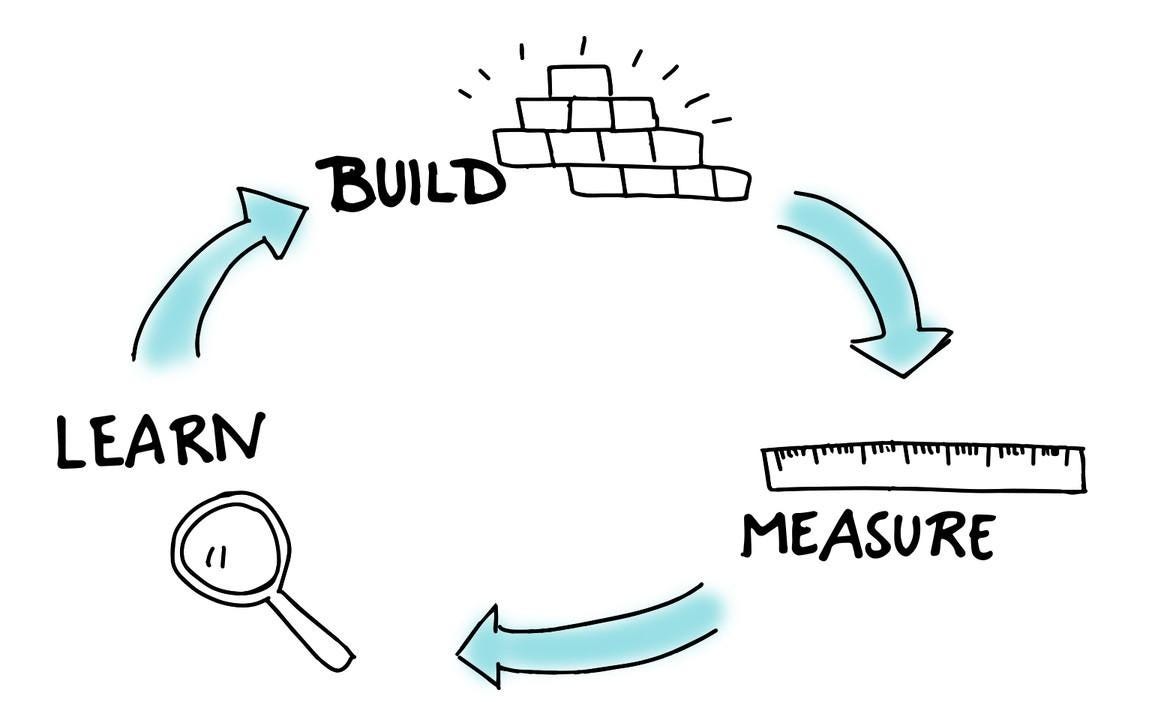
That’s not how product development works in real life. It’s research, ideation, design, coding, launch, marketing, and so much more. Each step answers a different question: What should we build? How should it work? How do we build it? How do people find it? How do we know it works?
And here’s the problem: engineers, designers, PMs, marketers still operate in silos. They wait. They coordinate. They waste time in meetings. They miscommunicate.
The bottleneck was never individual speed. It’s the gaps between people.
AI made everyone faster at their job while they wait for everyone else. That’s not 10x. That’s maybe 1.2x. And that’s a maybe - we’ve seen people working more slowly.
The real unlock isn’t faster individuals. It’s eliminating the handoffs.
The Solution: Product Builder
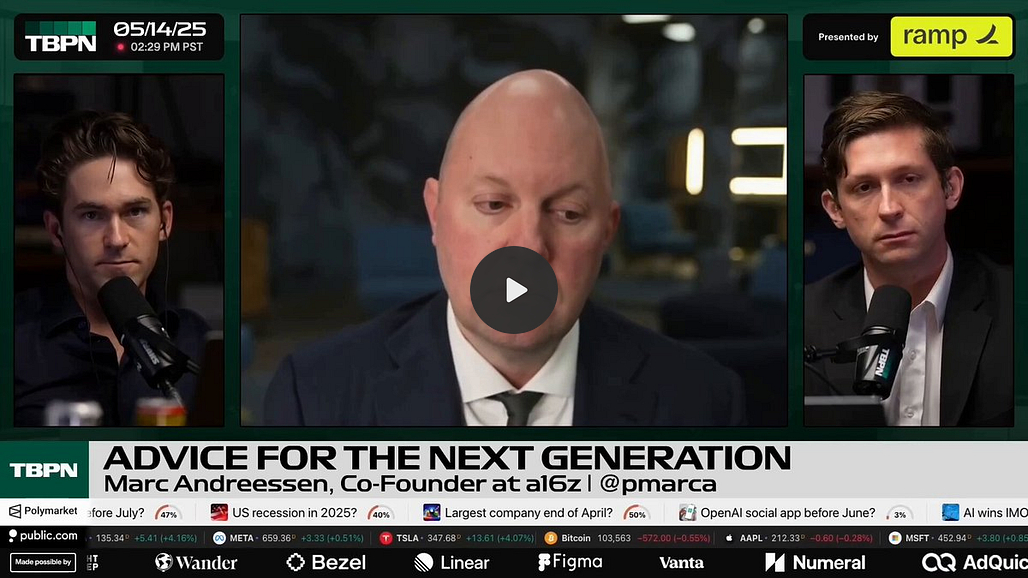
Marc Andreessen recently said something that nails it: the future belongs to generalists who can work across 6-8 fields. Deep expertise still matters, but broad knowledge plus AI tools beats narrow specialists in most areas.

We’re seeing something even more radical. AI isn’t just creating generalists. It’s letting specialists gain new superpowers and become T-Shapes or V-Shapes:
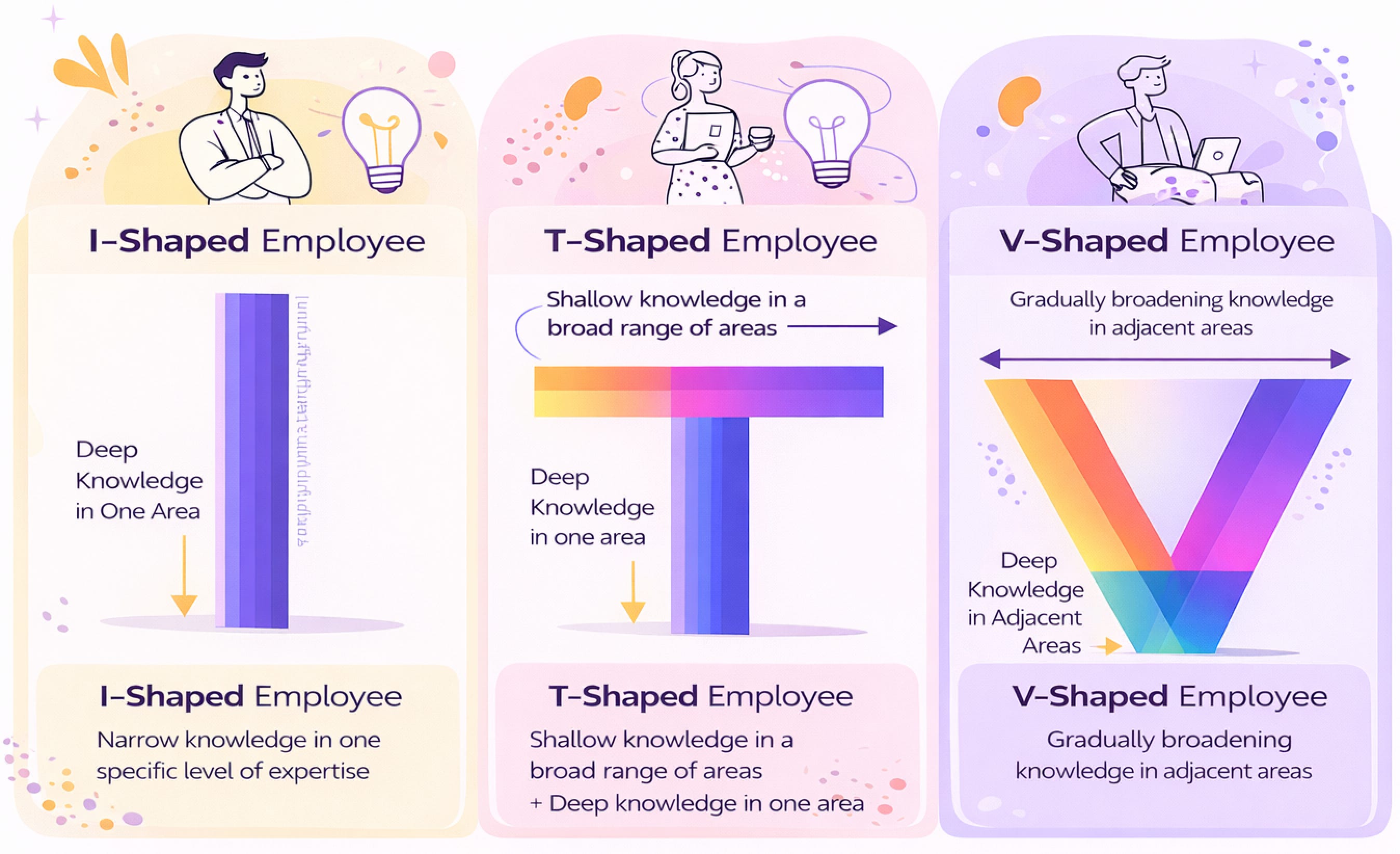
Marc Andreessen is essentially describing what we call Product Builders.
A Product Builder is someone with a core skill (engineering, design, or product management) who acquired 2-3 adjacent skills to eliminate handoffs and ship autonomously.
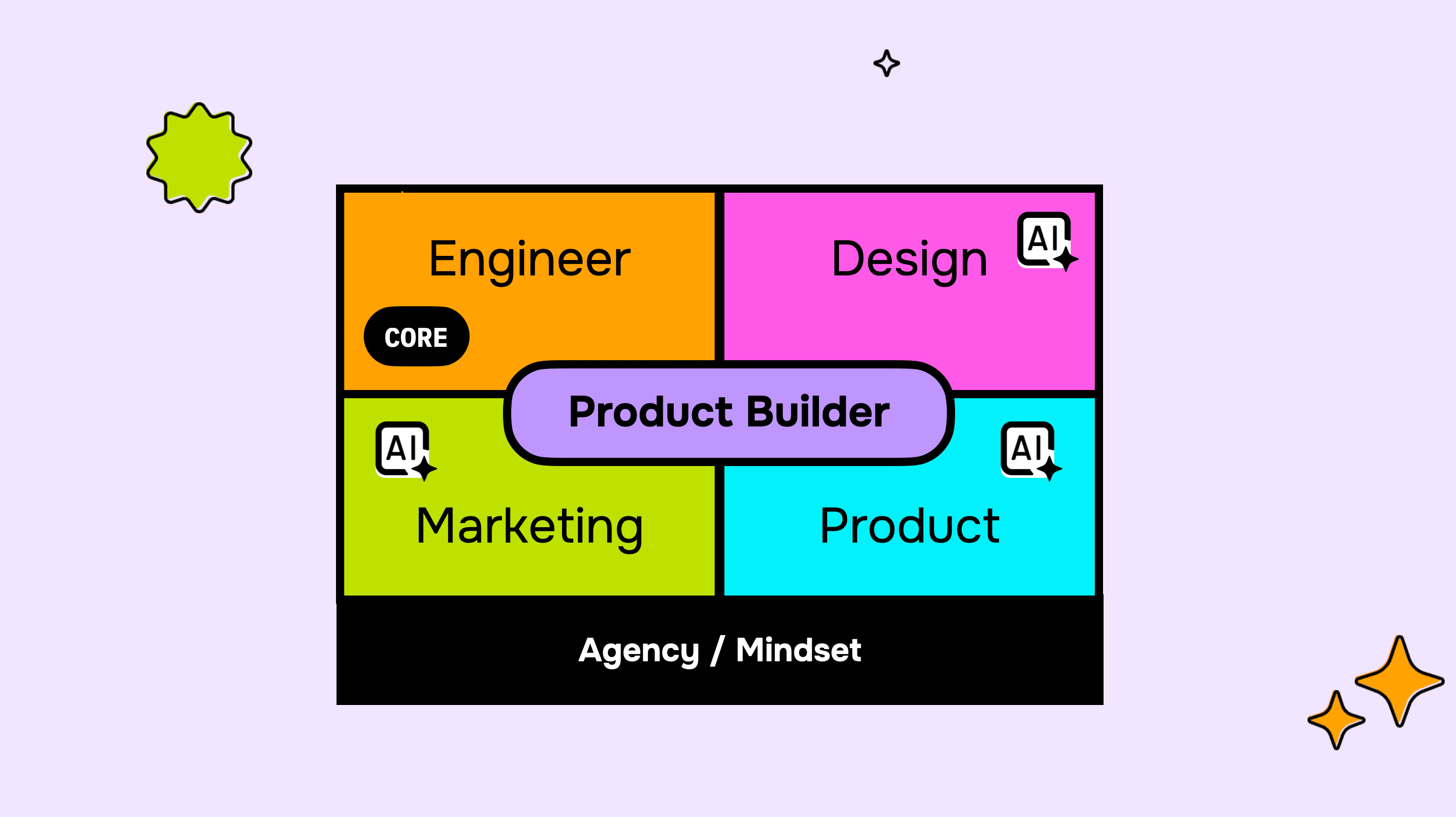
It’s like in Cyberpunk (sorry, we’re ex-CD Projekt guys). First, you’re selecting your class (sort of):
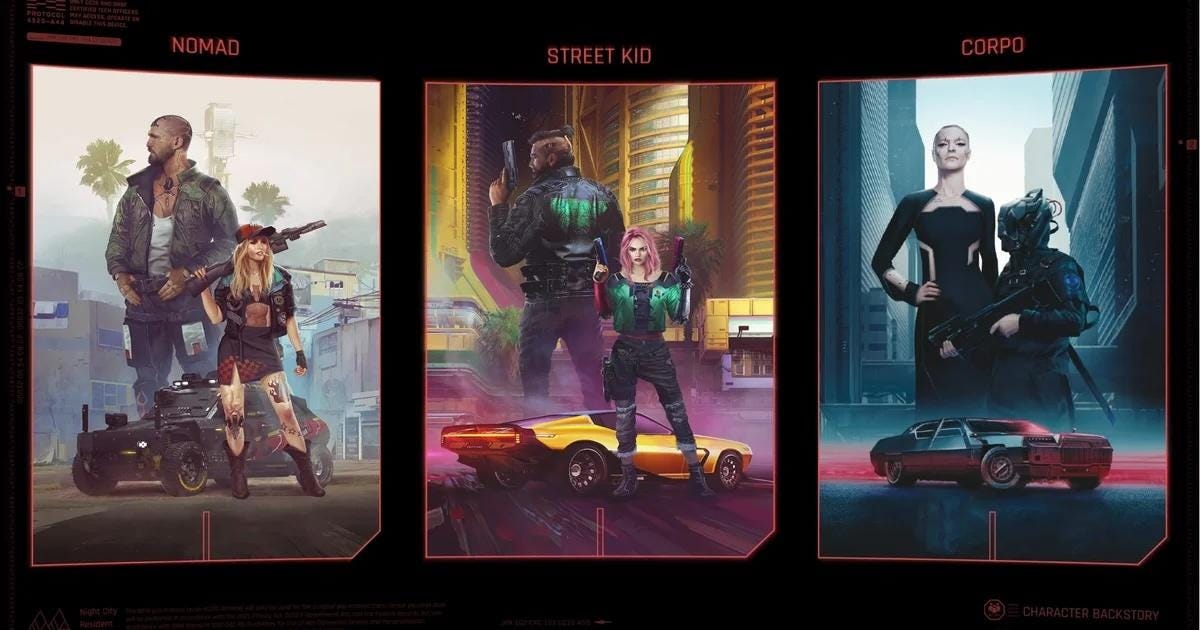
Then you’re selecting your auguments, which are skills needed to do the job end-to-end.
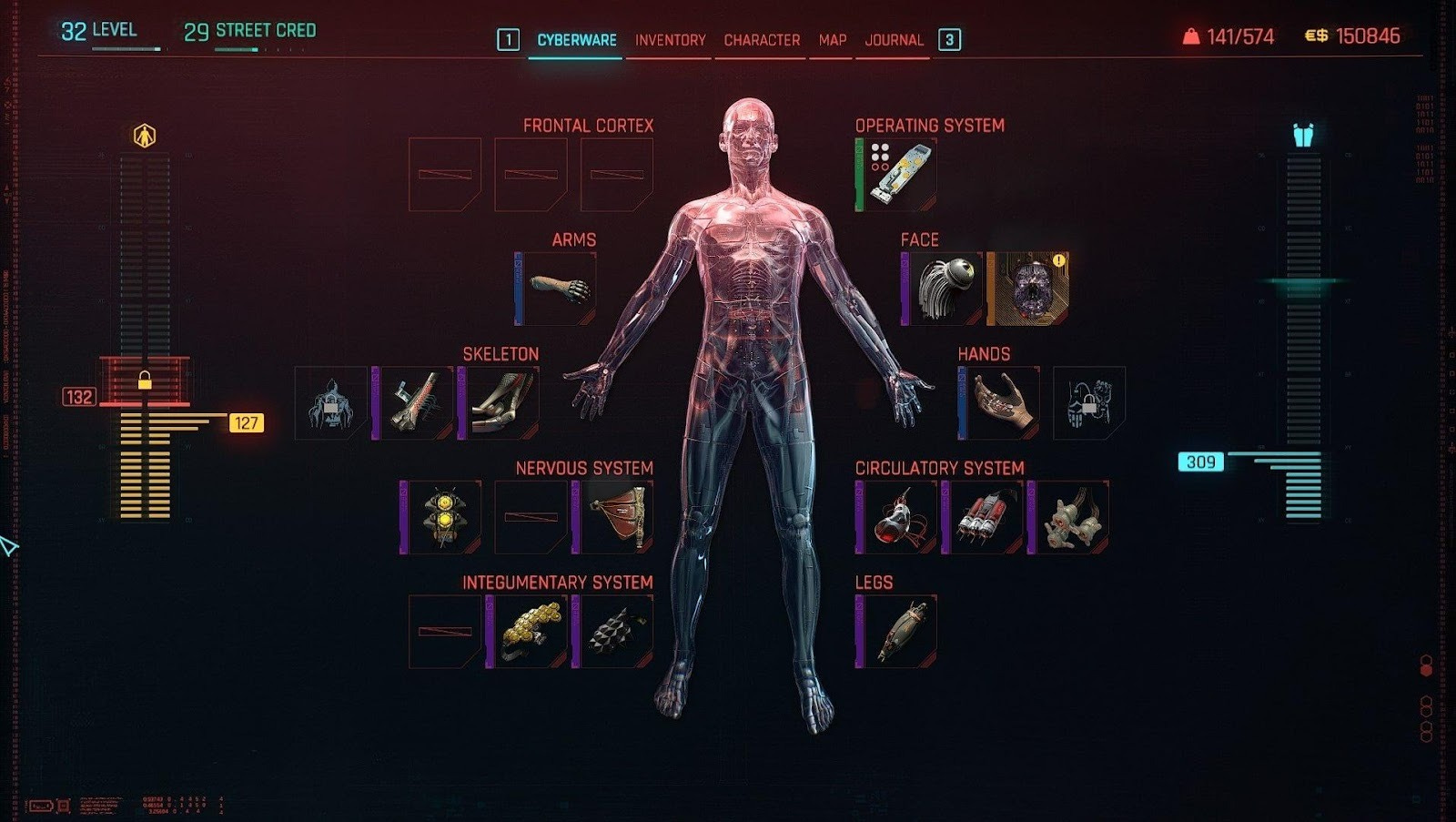
What does this look like in practice?
A PM who prototypes in Cursor instead of waiting for engineering.
An engineer who runs their own user interviews instead of waiting for research.
A designer who ships working code instead of handing off mockups.
They don’t wait for “the right person” to unlock the next step. They close the gaps themselves.
Small teams. Massive impact.
The market is already moving
LinkedIn just introduced a formal “Full Stack Builder” title. They want their entire product, design, and engineering org to move towards that model.
Figma’s 2025 research shows 72% of people say AI is driving role expansion, with 56% of non-designers now doing design work. Dylan Field puts it bluntly: “We’re all product builders, and some of us are specialized in our particular area.”
Linear built a $1.25B company with one PM. One. The rest? Engineers and designers who think about product and business, not specialists waiting for instructions.
The future doesn’t belong to people who can prompt AI to generate stuff. It belongs to product builders who know what good looks like. People who can judge what AI produces. People who know when the output is shit and when it’s gold.
That judgment doesn’t come from AI. It comes from experience. From pattern recognition. From building things that worked and things that didn’t.
From knowing the formula.
We’ve spent years applying this formula across companies. Teaching people the missing parts. Within 6-12 months, they’re doing the Batman thing. Solving impossible problems. Getting pulled into bigger rooms. Having other companies try to poach them.
The pattern held everywhere. Different companies, different markets, different team sizes. It wasn’t luck. The formula works.
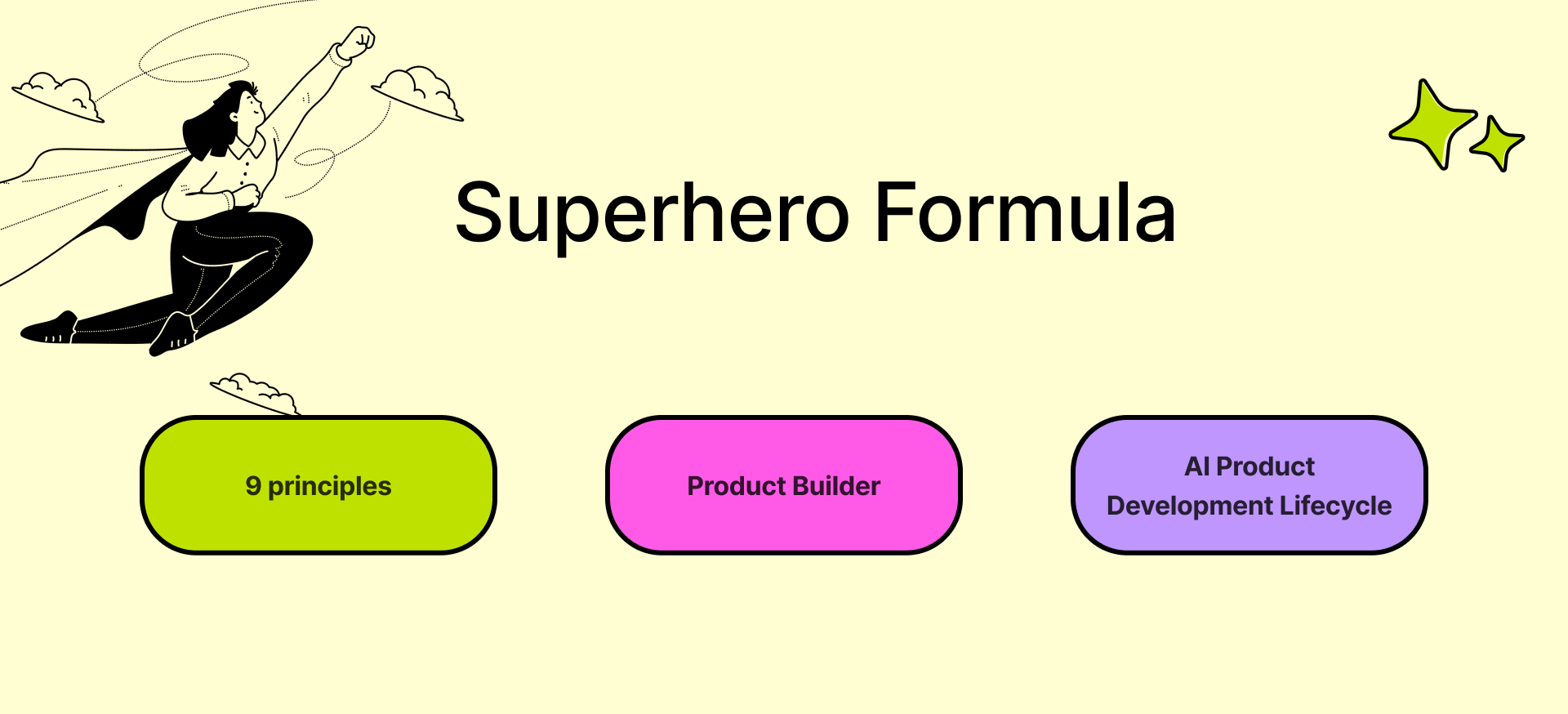
Now we’re sharing it with the world. That’s why we built Superhero.tech.
What’s Superhero.tech?
Superhero.tech is the consulting and education platform we wished existed when we were in the messy middle of our careers.
It’s a newsletter, podcast, webinars, courses, and a community. Think Batman’s training program for creating more Batmans and more Robins. Or Avengers Academy if you’re more into Marvel.
We teach the Superhero Formula - the full product development lifecycle for the AI era.
We teach product people - PMs, designers, engineers, leaders, researchers, data people, founders - how to become product builders.
How to build products customers actually love and teams you’ll be proud of. When to use AI, and when to use your own judgment.
We teach from our successes and failures, not from books:
32+ years combined experience building global products at Booking, CD Projekt, Displate, GOG.com
42,000+ people trained through workshops and programs
NPS 80 on our last cohort - 92% would recommend it to a colleague
Practice over theory. No AI slop.
Join Us
AI Product Heroes 2.0 is our flagship cohort program (currently for Polish speakers only). The training ground for Product Builders. You’ll learn and apply the complete formula with other like-minded makers.
Not ready for the cohort? Subscribe to the newsletter. We’ll share the formula piece by piece - what works, what doesn’t, and why most product advice is garbage.
PS: Want to work with us on your AI and product muscles? Reach us at superhero@superhero.tech.